

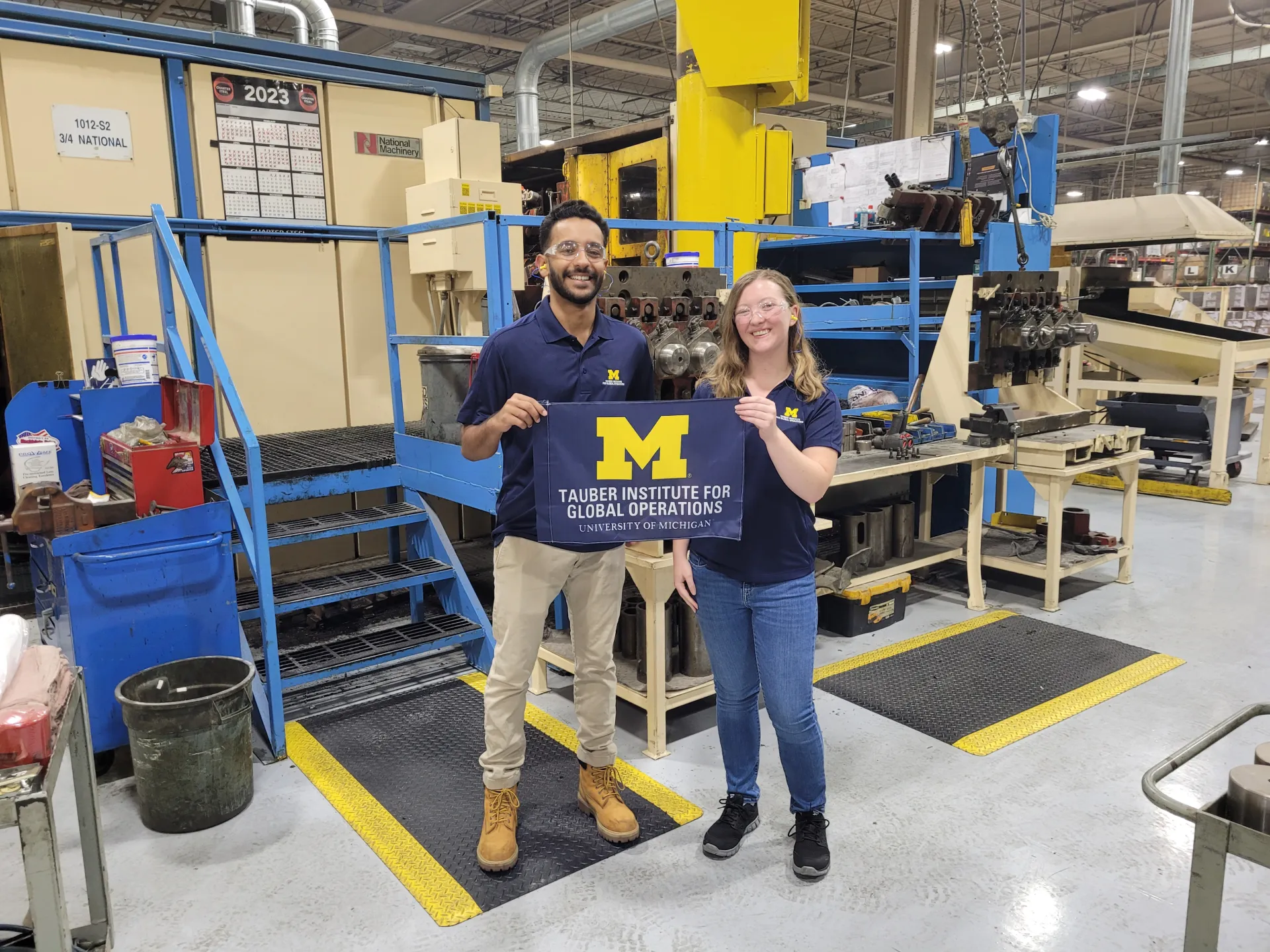
A decade of driving innovation through partnership.
Over its long history, Stanley Black & Decker (SBD) has evolved far beyond just making hand tools. Today, the company is a leader in industrial innovation, smart manufacturing, and operational excellence.
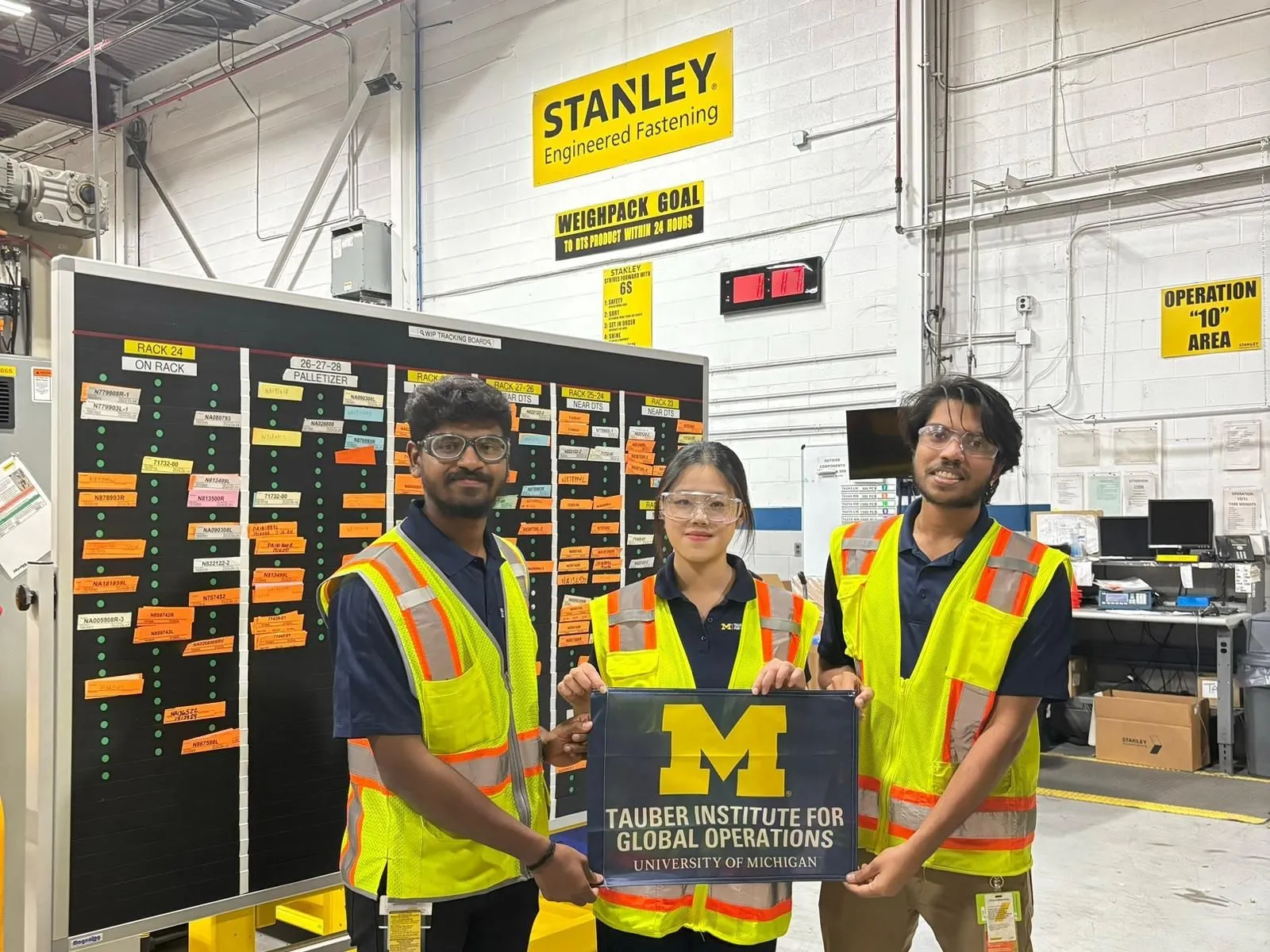
For over a decade, SBD and Tauber student teams have collaborated to tackle some of the most challenging problems in modern manufacturing.
“The Tauber program has been instrumental in providing SBD with a robust pipeline of exceptional talent, cultivating future leaders for our company,” said Nathan Dietrich, Director, Advanced Manufacturing and Process Engineering – Industrial NA at Stanley Black & Decker. “Through hands-on experience in our manufacturing plants, Tauber students have tackled complex operational challenges, delivering innovative solutions that have generated over $5 million in realized savings over the past decade.”
From predictive maintenance to warehouse automation, these projects showcase how academic insight and industry expertise can deliver real-world transformation and measurable business value.
The Tauber Institute values its 10-year engagement with Stanley Black & Decker.
“Stanley Black & Decker’s partnership empowers Tauber teams to deliver real-world innovation and reflects their commitment to developing future leaders by hiring our students, creating a true win-win for both industry and talent,” said Anne Partington, Managing Director at the Tauber Institute.
These collaborations have served as pilot labs for innovation, exposing the company to fresh ideas, structured methodologies, and measurable impact. Key takeaways include:
The Tauber collaborations went beyond the classroom. They were early probes, pilot ventures, and testbeds for ideas that the company can now scale. The same themes are showing up in SBD at a broader scale:
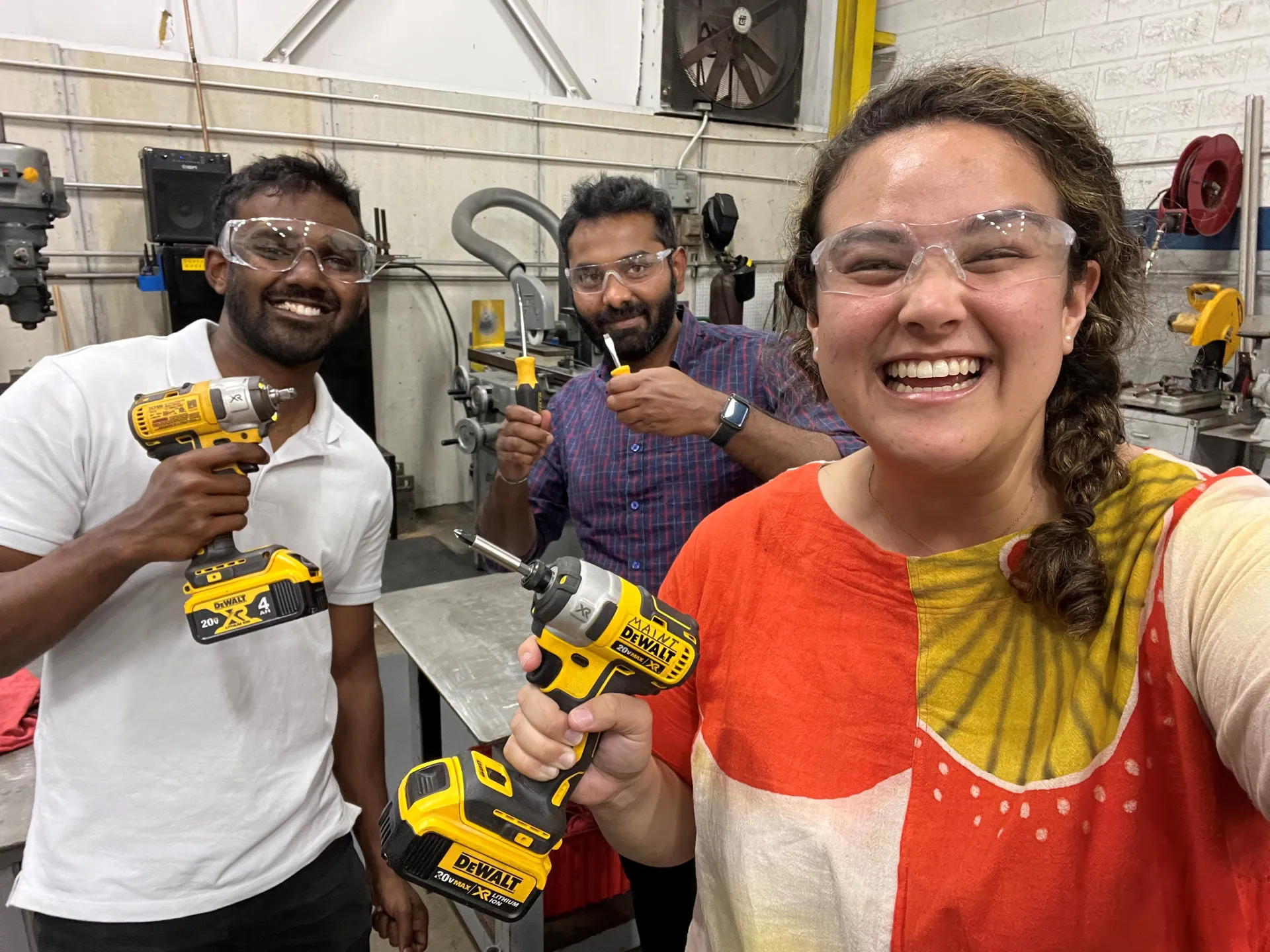
Across years of collaboration with Tauber, a clear theme emerges: Stanley Black & Decker invests in technology and talent to make manufacturing more intelligent, efficient, and sustainable.
As the industry evolves and the world shifts, the partnership between Stanley Black & Decker and the Tauber Institute demonstrates what’s possible when business and academia work together.
“This collaboration creates a win-win environment for both the students and our organization,” said Dietrich. “I truly enjoy working alongside these students—their boundless energy and passion are inspiring and infectious, driving positive change throughout our teams.”
If you’d like to sponsor a Tauber project and see how your business can be transformed, visit: https://tauber.umich.edu/team-projects/sponsor-project

A message from Anne Partington, Managing Director, Tauber Institute for Global Operations
In operations, we are trained to quantify risk. We model it, build safeguards, and design for resilience.
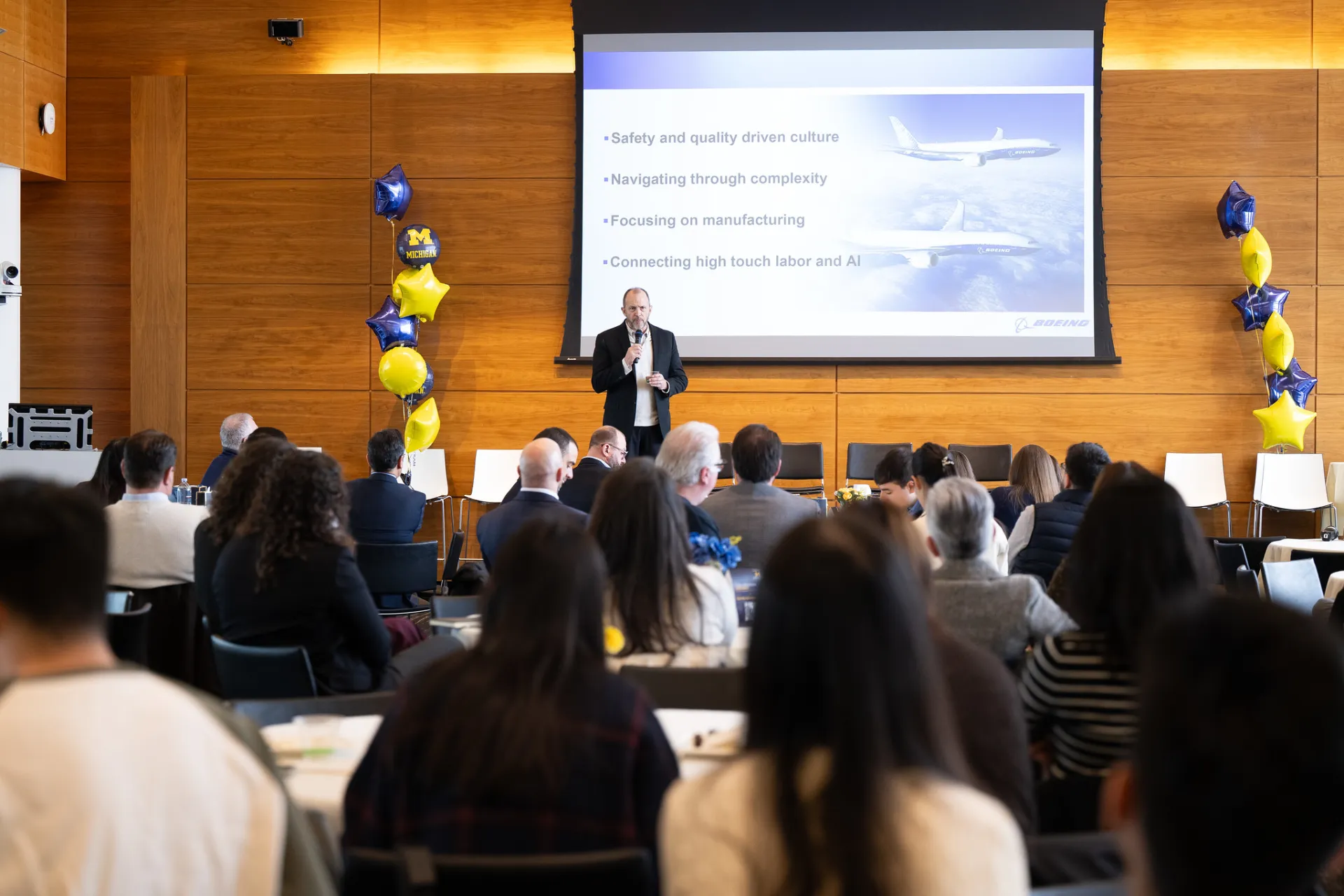
Exploring how innovation, AI integration, and future-focused leadership are reshapi
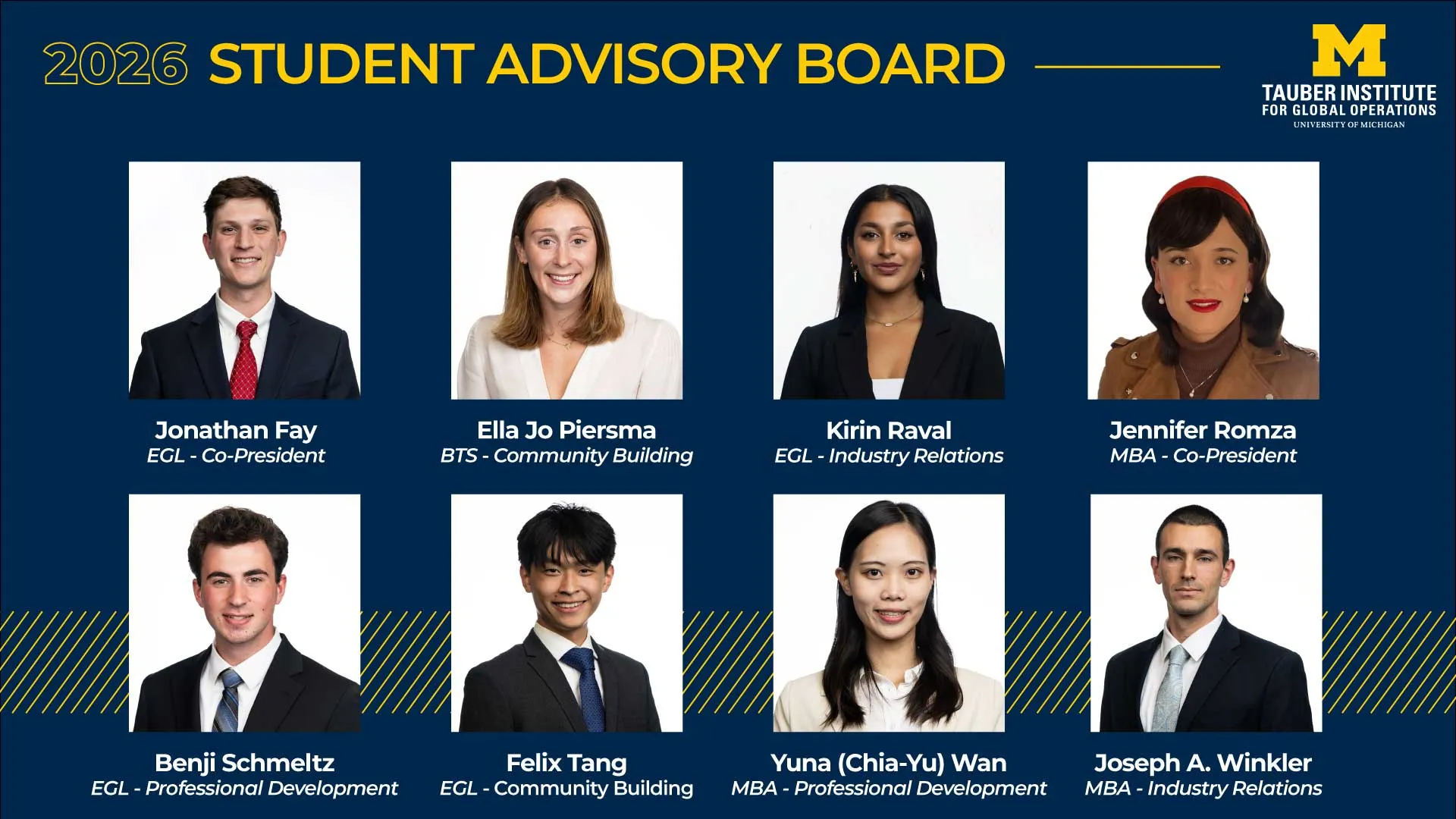
The Tauber Institute for Global Operations is proud to introduce its 2026 Student Advisory Board
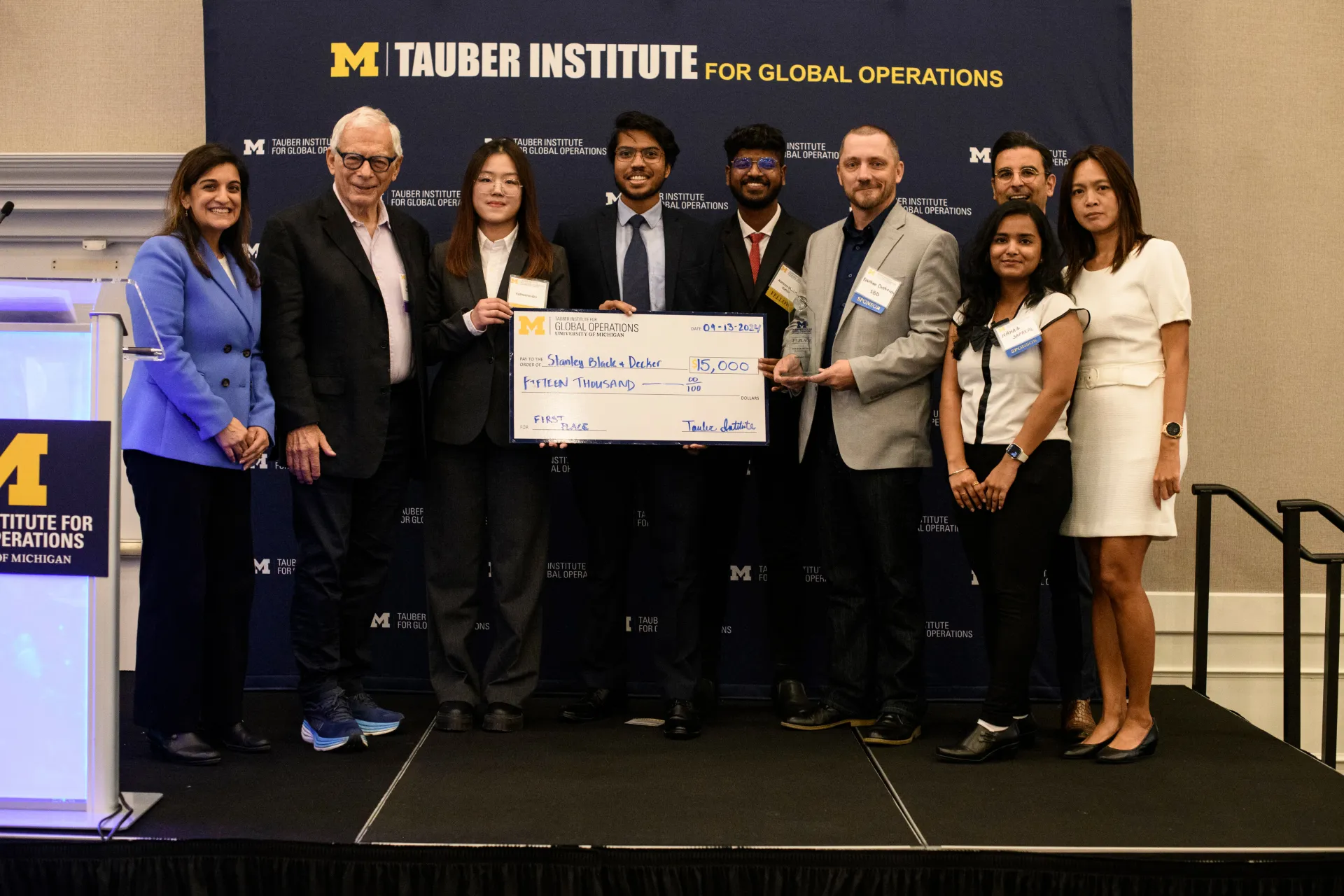
A decade of driving innovation through partnership.