News
Welcome to Tauber Institute for Global Operations News.
Explore our press releases, feature articles, and announcements about Tauber students, speakers, team projects, and events.

Welcome to Tauber Institute for Global Operations News.
Explore our press releases, feature articles, and announcements about Tauber students, speakers, team projects, and events.
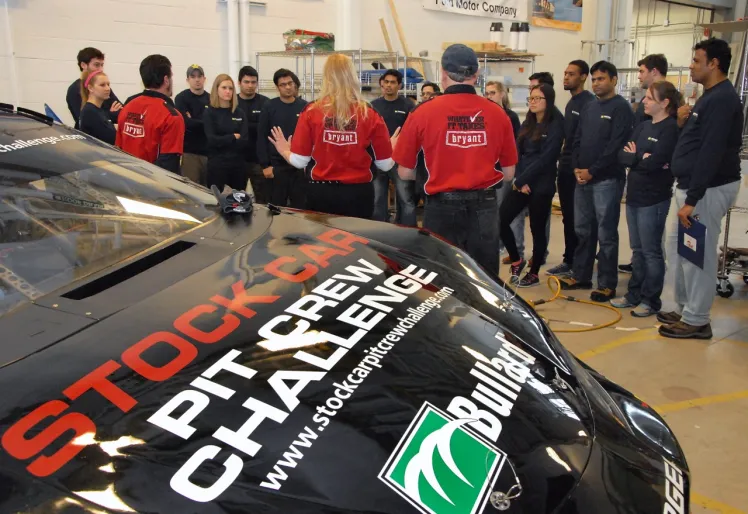
ANN ARBOR, Mich. — NASCAR’s brightly painted race cars and superhero-status drivers might not be familiar to every person on the planet, but the symbolism of a well-oiled pit crew comes through in any language – better teamwork makes teams work better.
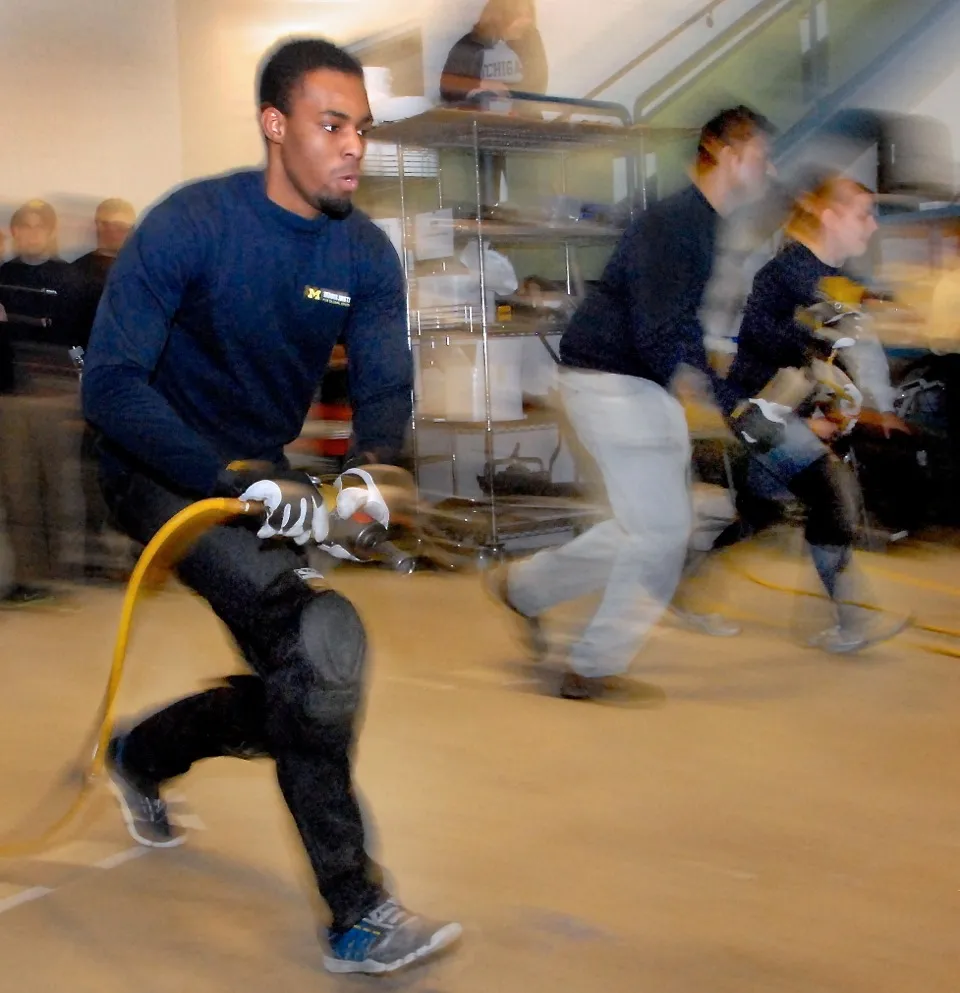
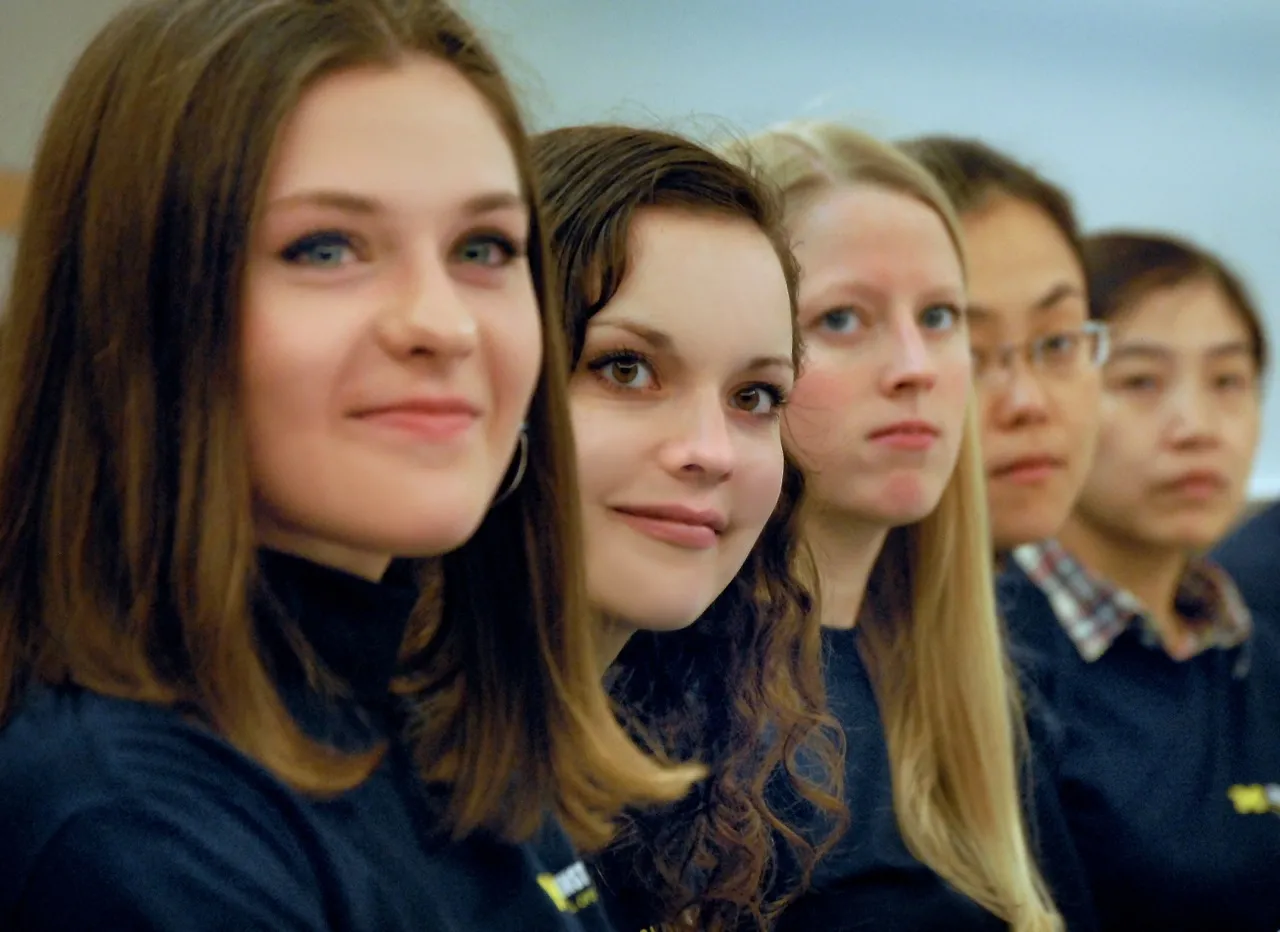
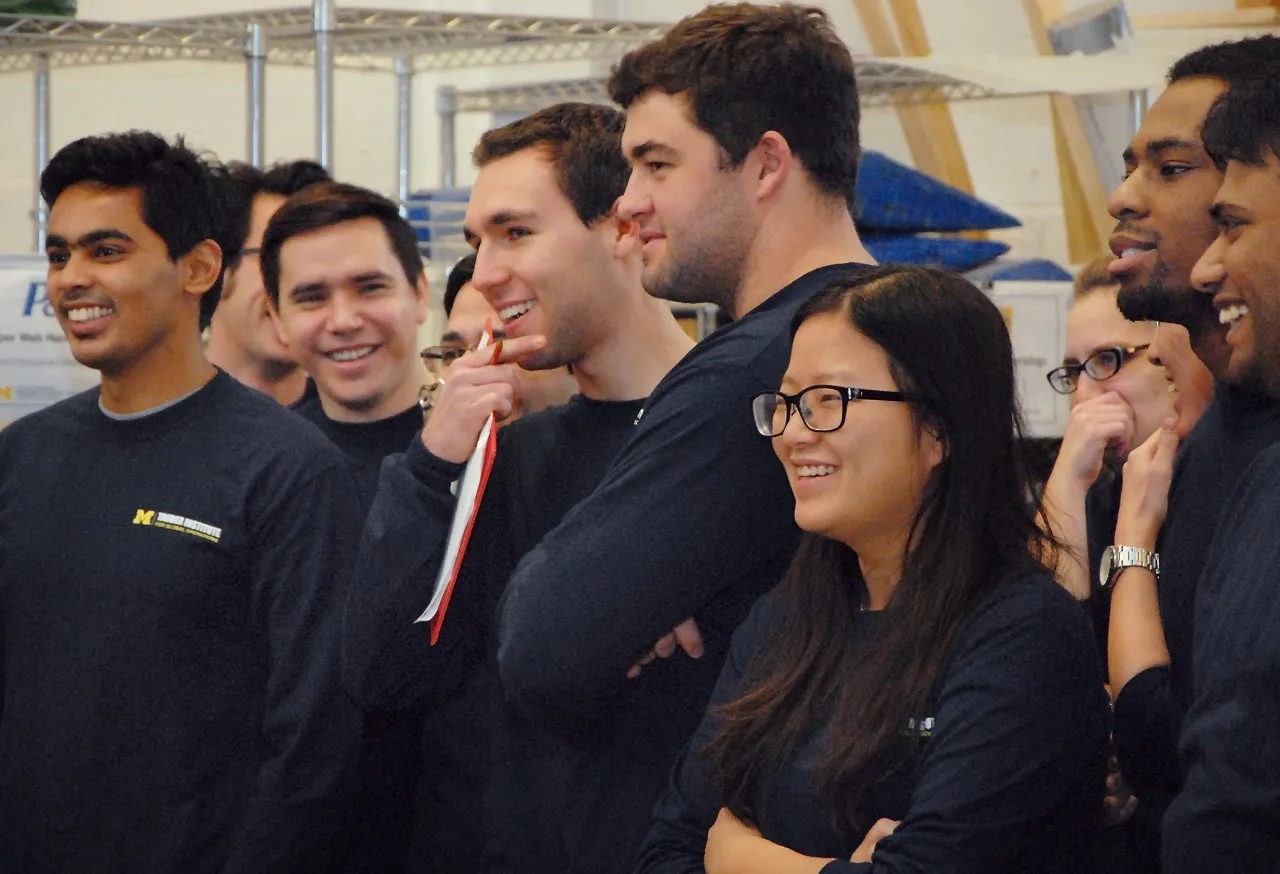
Students at the Tauber Institute for Global Operations recently participated in the 10th annual Stock Car Pit Crew Challenge, a leadership and team-building module for first-year graduate students – many of whom are from places like China, India and many other parts of the world. This international crew rolled up their sleeves, grabbed air guns and worked as teams to accomplish a completely foreign task – changing a 70-pound tire on a race car.
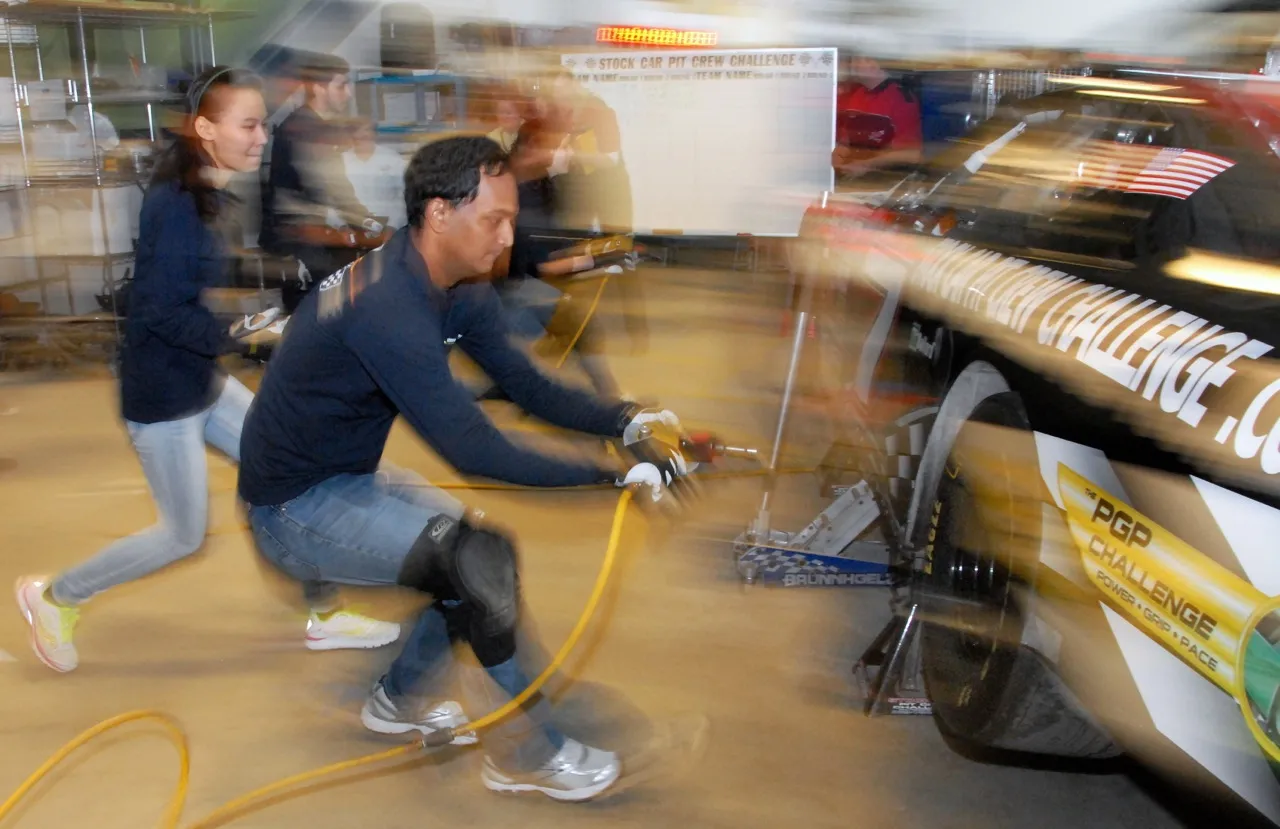
Held at the Wilson Student Team Project Center on North Campus, students divided into teams and individual roles were assigned: front and rear tire changer, front and rear tire carrier, and crew captain. Their task was to remove, rotate, and reattach the front and rear tires on an actual NASCAR vehicle using high-powered tools and teamwork.
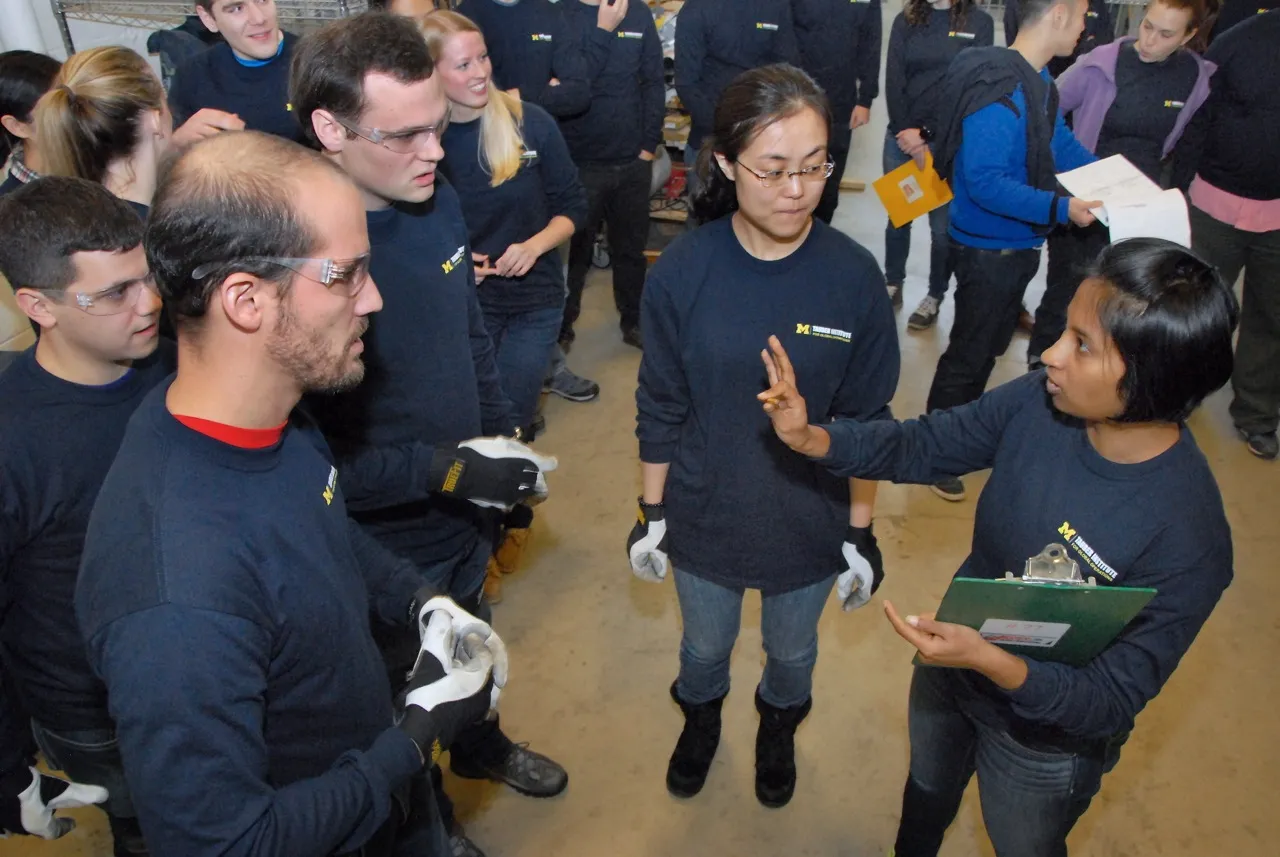
The professional demonstration team, led by former NASCAR driver Bill Eversole of Chelsea, Michigan, whipped through the process of changing both tires in a flash, without explaining any techniques to the students. Then the students were given a practice round to feel the weight of the tires, the power of the air gun and the intensity of the task. Eversole encourages teams to take advantage of the opportunity to learn from the pros. “Ask us questions. Take advantage of your resources. Don’t be afraid to say that you aren’t sure how to do something,” he said.
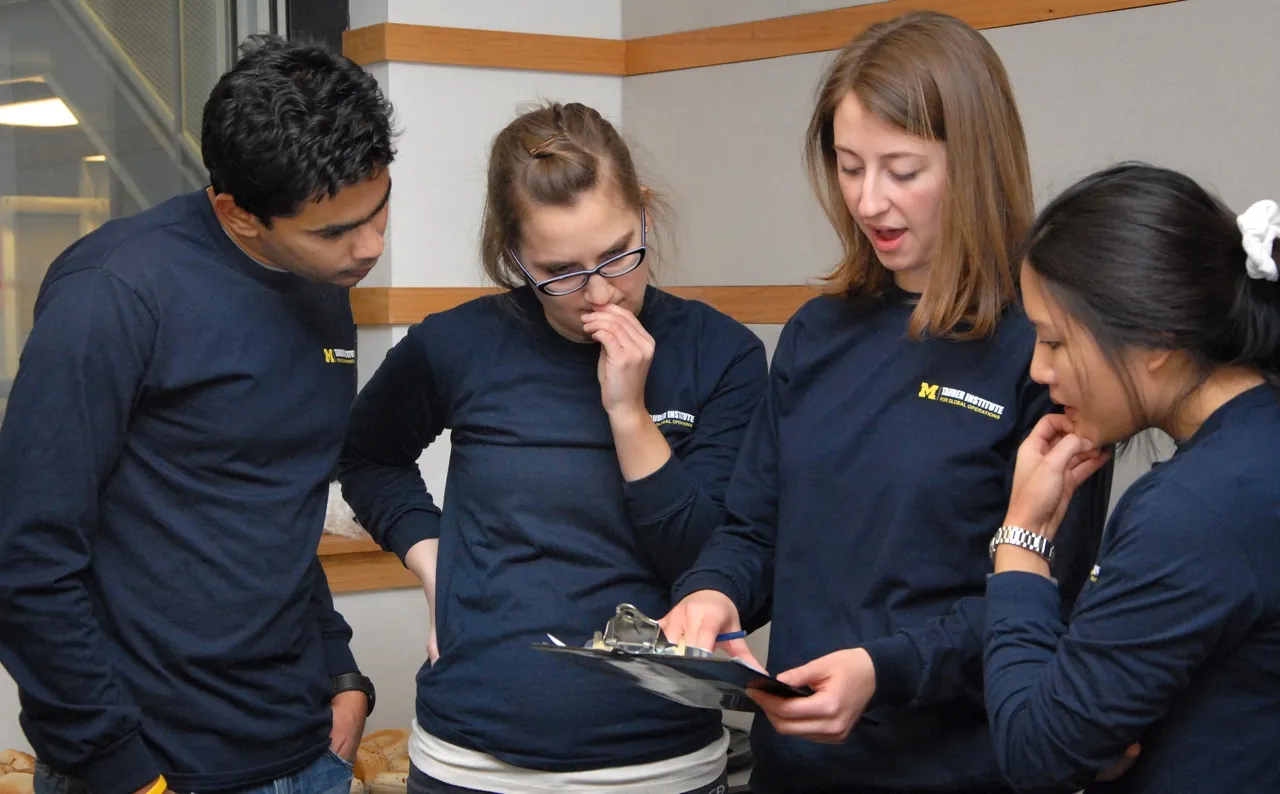
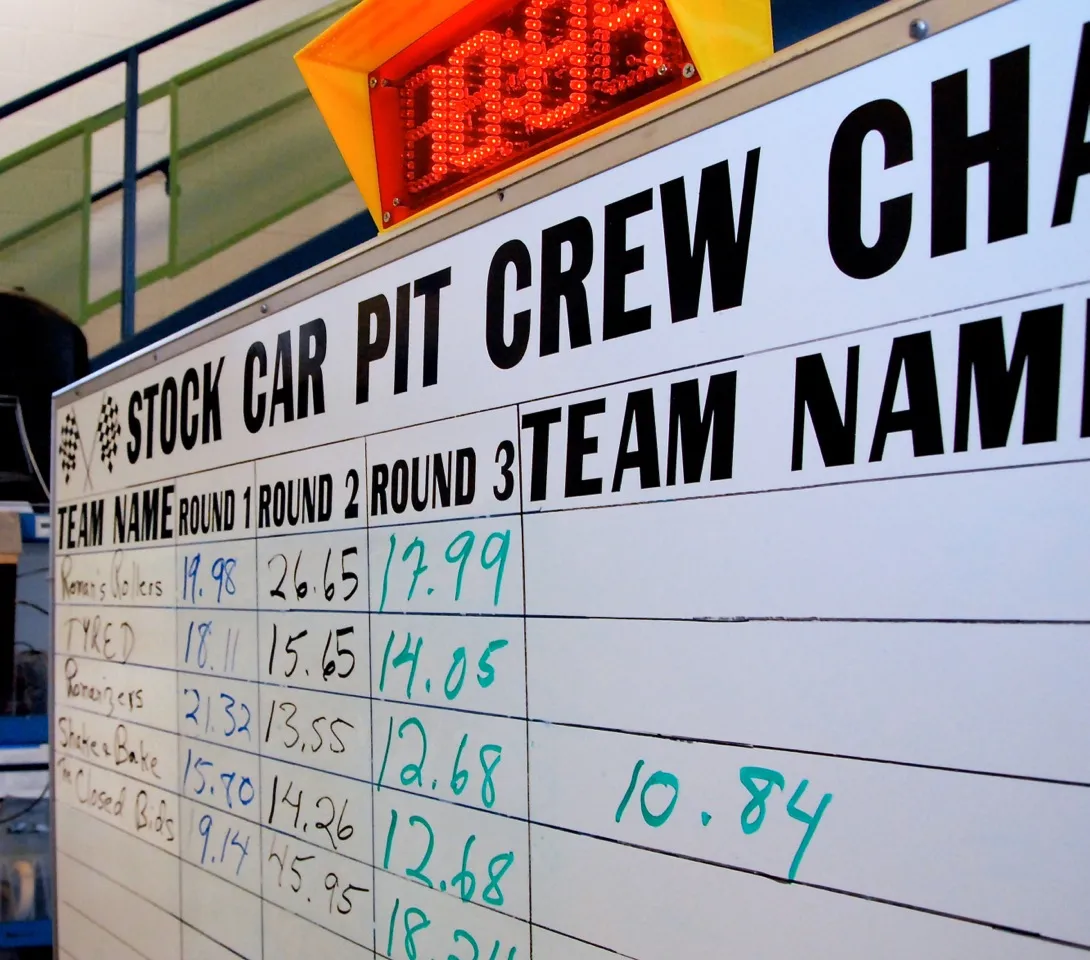
Teams regrouped after each round to improve their strategy, technique, and time and were encouraged to help each other by offering suggestions and motivation. The simulated pit crew atmosphere included screaming air guns and cheers of encouragement which added to the intensity and the competitive spirit of the day.
From identifying individual strengths to motivating team members, students were encouraged to find their own way to improve their performance. In the end, the point of the exercise was to learn from mistakes, accept constructive criticism, and set common goals. All of this is aimed at helping prepare students for their 14-week summer Team Projects which will take them inside Tauber sponsor-corporations around the globe.
Niha Ghose, MBA ’16, was part of the third-place finishing team. Born in India she lived in New Zealand and Australia before coming to Michigan to attend the University of Michigan’s Ross School of Business. Her only knowledge of NASCAR was what she had seen in the movies. “It surprised me that we weren’t actually working on a racing track,” she said, adding that the power tools were serious fun and that she learned performing with haste can lead to too many mistakes. She also said her experience with Tauber has been eye opening.
“I love the global nature - there are so many students with diverse backgrounds. No two people have the same story here - I'm constantly amazed by everyone's experience of how they have gotten here, what they were doing before and what they want to do after! It's a melting pot and it's exciting to think all my classmates will be high-flying executives in the next few years - what an amazing network to be a part of!” said Ghose.
Another competitor, Ashlyn Gurley, MS-Natural Resources and MSCM ’15, may have had an unfair advantage in the challenge. You could say that Gurley was born with motor oil in her veins, as her father worked with a NASCAR stock car team and the Craftsman Truck Series as a tire changer for a period of time. “Still I really had no idea about all of the coordination required among all of the people working down in the pit to get everything switched out on the track for the driver to get back on his way. It's not just a driver and his car, it's a whole system of people working to make sure he has what he needs,” she said.
She found it fairly simple to learn the basics of changing the tire but said it was much more difficult to put the proper team member in the proper role to ensure a smoother, faster process. “Everything needed to flow together like a symphony; our team took a couple tries, but eventually we got it,” she said.
The key to success was having teammates that were open about their strengths and weaknesses and able to take direction. It was most effective to watch other teams and learning from their mistakes. “My team finished last in our group, which was definitely not our goal! But at the end of the day I was proudest that we improved slowly throughout and that we learned from our mistakes.”
Gurley hopes to pursue a career in Sustainable Supply Chain Management helping to reduce the impacts of the value network on the environment. “I think activities like the Pit Crew challenge are extremely valuable, especially for someone like me who will be in an environment where I will need to work with people across different functions. Being able to communicate, take direction, and lead a diverse group when necessary are all important attributes of an operations leader.
Written by Nancy Davis
About Tauber Institute for Global Operations
The Tauber Institute for Global Operations is a joint venture between the University of Michigan’s Stephen M. Ross School of Business and the College of Engineering, and 30 industry partners to facilitate cross-disciplinary education in global operations management. In addition to broad array of core and elective courses, the innovative LeadershipAdvantageSMProgram provides students with the tools to ascend to major operations leadership roles. Well-designed and managed team projects form the cornerstone of the Tauber Institute experience and allow students to apply their knowledge to real world settings. http://www.tauber.umich.edu
Contact:
Theresa Ceccarelli, 734-647-0308, [email protected]